


Page 62 - Sustaining Accommodation SMES
P. 62
6Analysis

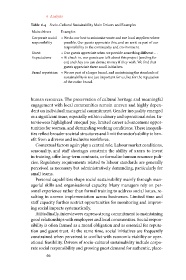
                Table 6.4 Socio-Cultural Sustainability Main Drivers and Examples
                Main drivers  Examples
                Corporate social  • We do our best to minimise waste and use local suppliers where
                responsibility  possible. Our guests appreciate this, and we see it as part of our
                               responsibility to the community and environment.
                Guest         • Our guests appreciate when we provide something different ...
                Expectations  • At check-in, our guests are tolk about this project [seeding for-
                               est] and they too can donate money if they wish. We find that
                               guests appreciate these small initiatives.
                Brand reputation • We are part of a larger brand, and maintaining the standards of
                               sustainability is not just important for us, but for the reputation
                               of theentirebrand.


                human resources. The preservation of cultural heritage and meaningful
                engagement with local communities remain uneven and highly depen-
                dent on individual managerial commitment. Gender inequality emerged
                as a significant issue, especially within culinary and operational roles. In-
                terviewees highlighted unequal pay, limited career advancement oppor-
                tunities for women, and demanding working conditions. These inequali-
                ties reflect broader societal structures and limit the sector’s ability to ben-
                efit from a diverse and inclusive workforce.
                  Contextual factors again play a central role. Labour market conditions,
                seasonality, and staff shortages constrain the ability of smes to invest
                in training, offer long-term contracts, or formalise human resource poli-
                cies. Regulatory requirements related to labour standards are generally
                perceived as necessary but administratively demanding, particularly for
                small teams.
                  Personal capabilities shape social sustainability mainly through man-
                agerial skills and organisational capacity. Many managers rely on per-
                sonal experience rather than formal training to address social issues, re-
                sulting in uneven implementation across businesses. Limited time and
                staff capacity further restrict opportunities for monitoring and improv-
                ing social impacts systematically.
                  Attitudinally, interviewees express strong commitment to maintaining
                good relationships with employees and local communities. Social respon-
                sibility is often framed as a moral obligation and as essential for reputa-
                tion and guest trust. At the same time, social initiatives are frequently
                constrained when perceived to conflict with economic viability or oper-
                ational feasibility. Drivers of socio-cultural sustainability include corpo-
                rate social responsibility and growing guest demand for authentic, place-
                       62

