


Page 60 - Sustaining Accommodation SMES
P. 60
6Analysis
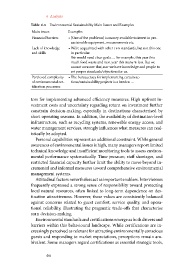
Table 6.2 Environmental Sustainability Main Issues and Examples
Main issues Examples
Financial barriers • [One of the problems] is money available to invest in pro-
sustainable equipment, measurements etc.
Lack of knowledge • We’re acquainted with other iso standards, but not this one
and skills in particular.
We would need clear goals ... for example, this year this
much food waste and next year this many less. But we
cannot measurethat, norwehave knowledge and peopleto
set proper standards/objectives for us.
Percieved complexity • The bureaucracy for implementing certain ac-
of environmental cer- tions/sustainability projects is a burden ...
tification processes
tors for implementing advanced efficiency measures. High upfront in-
vestment costs and uncertainty regarding return on investment further
constrain decision-making, especially in destinations characterised by
short operating seasons. In addition, the availability of destination-level
infrastructure, such as recycling systems, renewable energy access, and
water management services, strongly influences what measures can real-
istically be adopted.
Personal capabilities represent an additional constraint. While general
awareness of environmental issues is high, many managers report limited
technical knowledge and insufficient monitoring tools to assess environ-
mental performance systematically. Time pressure, staff shortages, and
restricted financial capacity further limit the ability to move beyond in-
cremental and informal measures toward comprehensive environmental
management systems.
Attitudinal factors nevertheless act as important enablers. Interviewees
frequently expressed a strong sense of responsibility toward protecting
local natural resources, often linked to long-term dependence on des-
tination attractiveness. However, these values are consistently balanced
against concerns related to guest comfort, service quality, and opera-
tional reliability, illustrating the pragmatic trade-offs that characterise
sme decision-making.
Environmental standards and certifications emerge as both drivers and
barriers within this behavioural landscape. While certifications are in-
creasingly perceived as relevant for attracting environmentally conscious
guests and responding to market expectations, perceptions remain am-
bivalent. Some managers regard certifications as essential strategic tools,
60

