


Page 107 - Sustaining Accommodation SMES
P. 107
6.2 Quantitative Insights
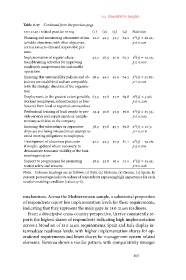
Table 6.27 Continued from the previous page
iso related practice or req. () () () () Statistics
2
Planning and monitoring attainment of sus- . . . . x (3) = .;
tainable objectives, with clear objectives, p ≤ .
correction activities and responsible per-
sons.
2
Implementation of regular educa- . . . . x (3) = .;
tional/training activities for improving p ≤ .
employee’s competences for sustainable
operations.
2
Ensuring that sustainability policies and ob- . .. . x (3) = .;
jectives are established and are compatible p ≤ .
with the strategic direction of the organisa-
tion
2
Employment, to the greatest extent possible, . . . . x (3) = .;
workers (employees, subcontractors or free- p ≤ .
lancers) from local or regional communities
2
Professional training of local people to pro- . . . . x (3) = .;
vide services and supply inputs or comple- p ≤ .
mentary activities to the company.
2
Ensuring that internships or apprentice- . . . . x (3) = .;
ships are not being misused in an attempt to p ≤ .
avoid meeting obligations to employees.
2
Development of a business plan, even .. . . x (3) = .;
if simple, updated where necessary, to p ≤ .
demonstrate economic viability of the busi-
ness/organisation
2
Support to programmes for promoting . . . . x (3) = .;
tourist safety and security. p ≤ .
Notes Column headings are as follows: (1) Italy, (2) Slovenia, (3) Greece, (4) Spain. In
percent; percentages indicate a share of respondents expressing high importance for each
need or enabling condition (values 5–6).
mechanisms. Across the Mediterranean sample, a substantial proportion
of respondents report low implementation levels for these requirements,
indicating that they represent the main gaps in iso 21401 readiness.
From a descriptive cross-country perspective, Greece consistently re-
ports the highest shares of respondents indicating high implementation
across a broad set of iso 21401 requirements. Spain and Italy display in-
termediate readiness levels, with higher implementation shares for op-
erational requirements and lower shares for management system related
elements. Slovenia shows a similar pattern, with comparatively stronger
107

