


Page 106 - Sustaining Accommodation SMES
P. 106
6Analysis
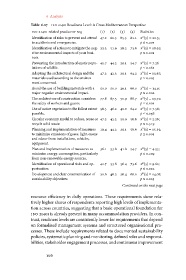
Table 6.27 iso 21401 Readiness Level: A Cross Mediterranean Perspective
iso related practice or req. () () () () Statistics
2
Identification of risks to prevent and attend .. . . x (3) = .;
to accidents and emergencies. p ≤ .
2
Identification of actions to mitigate the neg- . . .. x (3) = .;
ative environmental impacts of your busi- p ≤ .
ness.
2
Preventing the introduction of exotic popu- . .. . x (3) = .
lations of wildlife. p ≤ .
2
Adapting the architectural design and the . . . . x (3) = .;
materials used according to the environ- p ≤ .
ment concerned.
2
Avoid the use of building materials with a . . . . x (3) = .;
major negative environmental impact. p ≤ .
2
Thearchitectureofconstruction considers . . . . x (3) = .;
the safety of workers and guests. p ≤ .
2
Use of native vegetation to the fullest extent . .. . x (3) = .;
possible. p ≤ .
2
Circular economy model to reduce, reuse or .. . . x (3) = .;
recycle solid waste. p ≤ .
2
Planning and implementation of measures . .. . x (3) = .;
to minimize emissions of gases, light, ozone p ≤ .
and odour from installations, vehicles,
equipment.
2
Plan and implementation of measures to . . . . x (3) = .;
minimize energy. consumption, particularly p ≤ .
from non-renewable energy sources.
2
Identification of operational risks and op- . . . . x (3) = .;
portunities. p ≤ .
2
Development and clear communication of . .. . x (3) = .;
sustainability objectives. p ≤ .
Continued on the next page
resource efficiency in daily operations. These requirements show rela-
tively higher shares of respondents reporting high levels of implementa-
tion across countries, suggesting that a basic operational foundation for
iso 21401 is already present in many accommodation providers. In con-
trast, readiness levels are consistently lower for requirements that depend
on formalised management systems and structured organisational pro-
cesses. These include requirements related to documented sustainability
policies, systematic planning and monitoring, defined roles and responsi-
bilities, stakeholder engagement processes, and continuous improvement
106

