


Page 89 - Sustaining Accommodation SMES
P. 89
6.2 Quantitative Insights
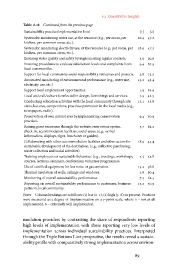
Table 6.18 Continued from the previous page
Sustainability practice/implementation level () ()
System for monitoring water use, at the resource (e.g., per room, per . .
kitchen, per common areas, etc.).
System for monitoring electricity use, at the resource (e.g., per room, per . .
kitchen, per common areas, etc.).
Ensuring water quality and safety by implementing regular controls. . .
Ensuring procedures to evaluate satisfaction levels and complaints from . .
local communities.
Support for local community social responsibility initiatives and projects. . .
Automated monitoring of environmental performance (e.g., water use, ..
electricity use, etc.)
Support local employment opportunities. . .
Local art/craft/culture is reflected in design, furnishings and services. . .
Conducting education activities with the local community through site . .
visits, lectures, competitions, practices promotion in the local media (e.g.,
newspapers, radio).
Preservation of own natural area by implementing conservation . .
practices.
Raising guest awareness through the website, reservation system, . .
check-in, accommodation facilities, social areas, (e.g., verbal
information, displays, signs, brochures or guides).
Collaborating with other accommodation facilities and other actors for . .
sustainable development of the destination, (e.g., collective purchasing,
waste collection and social activities).
Training employees on sustainable behaviour (e.g., meetings, workshops, . .
courses, lectures, seminars, conferences, volunteer programmes.
Use of certified equipment for less noise or gas emission. ..
Thermal insulation of walls, ceilings and windows. . .
Monitoring of overall sustainability performance. . .
Reporting on overall sustainability performance to customers, business ..
partners, local community.
Notes Column headings are as follows: (1) low (0–1), (2) high (5–6); in percent. Practices
were measured as a degree of implementation on a 7-point scale, where 0 – not at all
implemented, 6 – extremely well implemented.
modation providers by contrasting the share of respondents reporting
high levels of implementation with those reporting very low levels of
implementation across individual sustainability practices. Interpreted
through the Triple Bottom Line perspective, the results reveal a sustain-
ability profile with comparatively strong implementation across environ-
89

