


Page 82 - Sustaining Accommodation SMES
P. 82
6Analysis
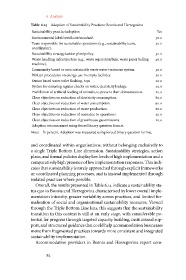
Table 6.15 Adoption of Sustainability Practices: Bosnia and Herzegovina
Sustainability practice/adoption Yes
Environmental label/certificate/standard. .
Team responsible for sustainable operations (e.g., sustainability team, .
coordinator).
Sustainability strategy/action plan/policy. .
Waste handling infrastructure (e.g., waste separation bins, waste paper balling .
machine).
Community-based or own sustainable waste water treatment system. .
Written procedures on energy use in empty facilities. .
Sensor based water toilet flushing, taps .
System for ensuring regular checks on water, electricity leakage. .
Prohibition of artificial feeding of animals, to prevent their domestication. .
Clear objectives on reduction of electricity consumption. .
Clear objectives on reduction of water consumption. .
Clear objectives on reduction of waste production. .
Clear objectives on reduction of noise due to operations. .
Clear objectives on reduction of greenhouse gas emissions. .
Adoption was measured using forced binary question format.
Notes In percent. Adoption was measured using forced binary question format.
and coordinated within organisations, without belonging exclusively to
a single Triple Bottom Line dimension. Sustainability strategies, action
plans, and formal policies display low levels of high implementation and a
comparatively high presence of low implementation responses. This indi-
catesthatsustainabilityisrarely approached throughexplicit frameworks
or coordinated planning processes, and is instead implemented through
isolated practices where possible.
Overall, the results presented in Table 6.14 indicate a sustainability sta-
tus quo in Bosnia and Herzegovina characterised by lower overall imple-
mentation intensity, greater variability across practices, and limited for-
malisation of social and organisational sustainability measures. Viewed
through the Triple Bottom Line lens, this suggests that the sustainability
transition in this context is still at an early stage, with considerable po-
tential for progress through targeted capacity building, institutional sup-
port, and structured guidance that could help accommodation businesses
move from fragmented practices towards more consistent and integrated
sustainability implementation.
Accommodation providers in Bosnia and Herzegovina report com-
82

