


Page 75 - Sustaining Accommodation SMES
P. 75
6.2 Quantitative Insights
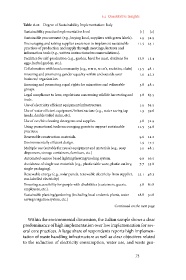
Table 6.12 Degree of Sustainability Implementation: Italy
Sustainability practice/implementation level () ()
Sustainable procurement (e.g., buying local, suppliers with green labels). . .
Encouraging and raising supplier awareness to implement sustainable . .
practices of production and supply through meetings, lectures and
information tools (e.g., written instructions/recommendations).
Facilities for self-production (e.g., garden, herd for meat, chickens for . .
eggs, herbal garden, etc.).
Collaboration with local community (e.g., dmo, ngo’s, societies, clubs) . .
Ensuring and promoting gender equality within and outside your . .
business/ organisation.
Ensuring and promoting equal rights for minorities and vulnerable . .
groups.
Legal compliance to laws, regulations concerning wildlife harvesting and . .
trade.
Use of electricity efficient equipment/infrastructure. . .
Use of water efficient equipment/infrastructure (e.g., water saving tap . .
heads, double toiled sinks, etc).
Use of eco/bio cleaning detergents and supplies. . .
Using promotional tools encouraging guests to support sustainable . .
practices.
Renewable construction materials. . .
Environmentally efficient design. . .
Multiple use (suitable for reuse) equipment and materials (e.g., soap . .
dispensers,storage containers,furniture,etc.)
Automated-sensor based lighting/heating/cooling system. . .
Avoidance of single use materials (e.g., plastic table ware, plastic cutlery, . .
single packaging).
Renewable energy (e.g., solar panels, renewable electricity from supplier, . .
eco-labelled electricity)
Ensuring accessibility for people with disabilities (customers, guests, . .
employees, etc.).
Sustainable planting/gardening (including local endemic plants, water . .
saving irrigation system, etc.)
Continued on the next page
Within the environmental dimension, the Italian sample shows a clear
predominance of high implementation over low implementation for sev-
eral core practices. A large share of respondents reports high implemen-
tation of waste handling infrastructure as well as clear objectives related
to the reduction of electricity consumption, water use, and waste gen-
75

