


Page 138 - Sustaining Accommodation SMES
P. 138
6Analysis
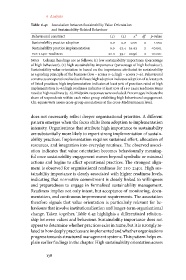
Table 6.42 Association between Sustainability Value Orientation
and Sustainability-Related Behaviour
Behavioural construct () () x 2 df p-value
Sustainability practice adoption . . . .
Sustainability practice implementation . . . <.
iso readiness . . . <.
Notes Column headings are as follows: (1) low sustainability importance (percentage
of high behaviour), (2) high sustainability importance (percentage of high behaviour).
Sustainability value orientation is based on the importance attributed to sustainability
as a guiding principle of the business (low – scores 0–2; high – scores 7–9). Behavioural
constructs are operationalised as follows: high adoption indicates adoption of at least 50
of listed practices; high implementation indicates at least 50 of practices rated at high
implementation (5–6); high readiness indicates at least 50 of iso 21401 readiness items
rated at high readiness (5–6). Midpoint responses were excluded. Percentages indicate the
share of respondents within each value group exhibiting high behavioural engagement.
Chi-square tests assess cross-group associations at the cross-Mediterranean level.
does not necessarily reflect deeper organisational priorities. A different
pattern emerges when the focus shifts from adoption to implementation
intensity. Organisations that attribute high importance to sustainability
are substantially more likely to report strong implementation of sustain-
ability practices. Implementation requires sustained effort, allocation of
resources, and integration into everyday routines. The observed associ-
ation indicates that value orientation becomes behaviourally meaning-
ful once sustainability engagement moves beyond symbolic or minimal
actions and begins to affect operational practices. The strongest align-
ment is observed for organisational readiness for iso 21401. High sus-
tainability importance is clearly associated with higher readiness levels,
indicating that normative commitment is closely linked to willingness
and preparedness to engage in formalised sustainability management.
Readiness implies not only intent, but acceptance of monitoring, docu-
mentation, and continuous improvement requirements. The association
therefore signals that value orientation is particularly relevant for be-
haviours that involve institutionalisation and longer-term organisational
change. Taken together, Table 6.42 highlights a differentiated relation-
ship between values and behaviour. Sustainability importance does not
appear to determine whether practices exist in name, but it is strongly re-
lated to how deeply practices are implemented and whether organisations
progress towards structured management systems. This pattern helps ex-
plain earlier findings in the chapter. High sustainability orientation across
138

