


Page 114 - Diversity in Action
P. 114
Natascha J. Taslimi, Ursula Maurič, and Karin Steiner
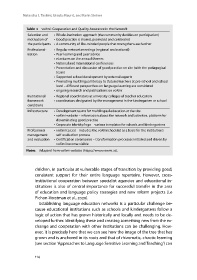
Table 2 voXmi: Cooperation and Quality Assurance in the Network
Selection and • Whole-institution approach (the community decides on participation)
motivation of • Good practice is shared, promoted and celebrated
the participants • A community of like-minded people that strengthens each other
Professional- • Regular network meetings (regional and national)
isation • Peer learning and peer advice
• eLectures on the annual themes
• National and international conferences
• Presentation and discussion of good practice on site (with the pedagogical
team)
• Supported school development by external experts
• Promoting multilingual literacy to (future) teachers at pre-school and school
level – different perspectives on language learning are considered
• ongoing research and publications on voXmi
Institutional • Regional coordinators at university colleges of teacher education
framework • coordinators designated by the management in the kindergarten or school
conditions
Infrastructure • Development teams for multilingual education at the site
• voXmi website – information about the network and activities, platform for
disseminating good practice
• Corporate identity/logo – various templates for schools and kindergartens
Professional • voXmi () – includes the voXmi checklist as a basis for the institution’s
management self-evaluation process
and evaluation • Certification ceremonies – transformation processes initiated and driven by
voXmi become visible
Notes Adapted from voXmi website (https://www.voxmi.at).
children, in particular at vulnerable stages of transition by providing good,
consistent support for their entire language repertoire. However, cross-
institutional cooperation between specialist agencies and educational in-
stitutions is also of central importance for successful transfer in the area
of education and language policy strategies and new reform projects (Le
Pichon-Vorstman et al., 2020).
Establishing language education networks is a particular challenge be-
cause educational institutions such as schools and kindergartens follow a
logic of action that has grown historically and locally and needs to be de-
veloped further. Identifying these and creating something new from the ex-
change and cooperation with other institutions can be challenging. How-
ever, it is precisely here that we can see how the image of the tree that has
grown and is anchored in its roots and that of rhizomatic, chaotic learning
(see section ‘Approaches to Language Sensitive Learning and Teaching’) can
114

