


Page 18 - Safe Wrestling
P. 18
Matej Plevnik and Matej Ipavec

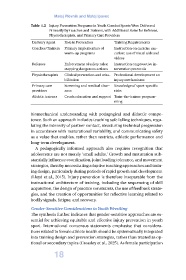
                Table 1.2 Injury Prevention Programs in Youth Combat Sports Were Delivered
                        Primarily by Coaches and Trainers, with Additional Roles for Referees,
                        Physiotherapists, and Primary Care Providers
                Delivery Agent  Role in Prevention     Training Requirements
                Coaches/Trainers  Primary implementers of  Instruction on exercise exe-
                                warm-up programs       cution; use of visual aids and
                                                       videos
                Referees        Enforcement of safety rules;  Instruction on proactive in-
                                stopping dangerous actions  tervention protocols
                Physiotherapists  Clinical prevention and reha-  Professional development on
                                bilitation             injury mechanisms
                Primary care    Screening and medical clear-  Knowledge of sport-specific
                providers       ance                   risks
                Athletic trainers  Coach education and support Train-the-trainer program-
                                                       ming

                biomechanical understanding with pedagogical and didactic compe-
                tence. Such an approach includes teaching safe falling techniques, regu-
                lating the intensity of partner contact, structuring technical progression
                in accordance with maturational variability, and communicating safety
                as a value that enables, rather than restricts, athletic performance and
                long-term development.
                  A pedagogically informed approach also requires recognition that
                adolescents are not merely ‘small adults.’ Growth and maturation sub-
                stantially influence coordination, joint loading tolerance, and movement
                strategies, thereby necessitating adaptive teaching approaches and train-
                ing design, particularly during periods of rapid growth and development
                (Lloyd et al., 2015). Injury prevention is therefore inseparable from the
                instructional architecture of training, including the sequencing of skill
                acquisition, the design of practice constraints, the use of feedback strate-
                gies, and the creation of opportunities for reflective learning related to
                bodily signals, fatigue, and recovery.
                Gender-Sensitive Considerations in Youth Wrestling
                The synthesis further indicates that gender-sensitive approaches are es-
                sential for achieving equitable and effective injury prevention in youth
                sport. International consensus statements emphasise that considera-
                tions related to female athlete health should be systematically integrated
                into training design and prevention strategies, rather than treated as op-
                tional or secondary topics (Crossley et al., 2025). As female participation

                           18

