


Page 123 - Razvoj kompetenc prihodnosti v pedagoških študijskih programih
P. 123
Reconsidering Contemporary Approaches to Teaching Art History


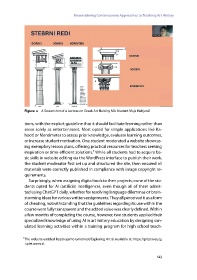
             Figure 2  A Screenshot of a Lecture on Greek Art Held by MA Student Maja Habjanič


             tions, with the explicit guideline that it should facilitate learning rather than
             serve solely as entertainment. Most opted for simple applications like Ka-
             hoot! or Mentimeter to assess prior knowledge, evaluate learning outcomes,
             or increase student motivation. One student moderated a website showcas-
             ing exemplary lesson plans, offering practical resources for teachers seeking
             inspiration or time-efficient solutions.⁷ While all students had to acquire ba-
             sic skills in website editing via the WordPress interface to publish their work,
             the student moderator first set up and structured the site, then ensured all
             materials were correctly published in compliance with image copyright re-
             quirements.
               Surprisingly, when assigning digital tools to their projects, none of the stu-
             dents opted for AI (artificial intelligence), even though all of them admit-
             ted using ChatGPT daily, whether for resolving language dilemmas or brain-
             stormingideasforvariouswritten assignments.Theyallperceivedit asaform
             of cheating, notwithstanding that the guidelines regarding its use within the
             coursewerefullytransparentandtheaddedvaluewasclearlydefined.Within
             a few months of completing the course, however, two students applied their
             specialized knowledge of using AI in art history education by designing sim-
             ulated learning activities within a training program for high school teach-


            ⁷ The website entitled Raziskujemo umetnost/Exploring Art is available at: https://pripraveuzg
             .splet.arnes.si.


                                                                            123

