


Page 18 - Diversity in Action
P. 18
Martina Irsara
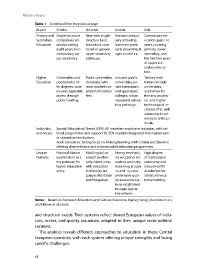
Table 1 Continued from the previous page
Aspect Croatia Slovenia Austria Italy
Primary and Single-structure Nine-year single- General compul- Compulsory ed-
Secondary compulsory ed- structure basic sory schooling ucation spans
Education ucation lasting education; voca- lasts nine years; years, covering
eight years; non- tional or general early streaming at primary, lower
compulsory up- upper secondary ages and . secondary, and
per secondary. pathways. the first two years
of upper sec-
ondary educa-
tion.
Higher Universities and Public universities Includes public Tertiary insti-
Education polytechnics of- dominate, with universities, pri- tutions include
fer degrees; state most students ex- vate institutions, universities,
ensures equitable empt from tuition and specialised academies for
access through fees. colleges; robust fine arts and mu-
public funding. vocational educa- sic, and higher
tion pathways. technological in-
stitutes (ITS), with
autonomy in ad-
missions and cur-
ricula.
Inclusivity Special Educational Needs (SEN): All countries emphasise inclusion, with tai-
and Access lored programmes and support for SEN students integrated into mainstream
or specialised institutions.
Adult Education: Strong focus on lifelong learning, with Croatia and Slovenia
offering diverse formal and informal adult education programmes.
Unique National Matura Multilingual ap- Strong emphasis High degree
Features examination as a proach in ethni- on vocational ed- of institutional
key pathway for cally mixed areas ucation and early autonomy and
higher education with education streaming at ages innovative ITS
entry. in minority lan- and ; com- Academies for
guages like Italian prehensive qual- advanced voca-
and Hungarian. ity assurance sys- tional training.
tems established
through legisla-
tive reforms.
Notes Based on European Education and Culture Executive Agency (2023), Eurydice (n.d.),
and Hörner et al. (2015).
and structural needs. Their systems reflect shared European values of inclu-
sion, access, and quality assurance, adapted to their unique socio-political
contexts.
The analysis reveals different approaches to education in these Central
European countries, with each system offering unique strengths and facing
specific challenges.
18

