


Page 69 - Educational Leadership in a Changing World
P. 69
School Leadership and Educational Quality

            Singapore: Leaders in Education Programme (lep)
            Singapore, through the Leaders in Education Programme (lep), has
            a highly specialized educational management strategy focused on the
            continuous training of school leaders. The model is based on a high
            level of specialization and adaptability among school administrators,
            who must efficiently manage resources and promote academic excel-
            lence within their school communities. The lep ensures that princi-
            pals have a direct impact on improving teaching and learning, which is
            a key factor in the success of Singapore’s education system. The Leaders
            in Education Programme (lep) is a 6-month full-time programme de-
            signed to prepare highly capable vice principals and ministry officers in
            Singapore for principalship (Jayapragas, 2016). The programme places a
            strong emphasis on pedagogical leadership, viewing principals not only
            as resource managers but also as facilitators of high-quality learning.
            School leaders are expected to serve as role models of excellence, im-
            plementing pedagogical best practices and also driving change and in-
            novation within the education system.
              The lep is built upon educational policies that prioritize continu-
            ous improvement in education quality. The structured leadership de-
            velopment policies align with the regulatory and political frameworks
            described by Ball (2008), which address the impact of public policies on
            education.


             Learning to Conduct Futuring    Learning to Contextualize
             • Handling real-life complexities  • Adapting best practices to local
              in school leadership            school contexts
             • Encouraging anticipation of trends  • Gaining insights from global
              and challenges                  education strategies
             • Balancing imagination         • Contextualizing leadership theories
              with pragmatism                 and behaviours


             Learning to Collaborate         Learning to be Adaptable and Flexible
             in a Self-Organizing Paradigm   • Emphasizing change management
             • Relying on shared decision-making  • Balancing instructional
             • Enhancing instructional effective-  and stakeholder needs
              ness through teacher participation  • Handling multiple and conflicting
             •Networking and cross-border     responsibilities
              collaboration

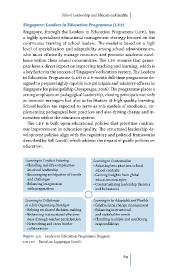
            Figure 3.3 Leaders in Education Programme Diagram
            notes Based on Jayapragas (2016).


                                                            69

