


Page 35 - Sustaining Accommodation SMES
P. 35
4.2 iso 21401


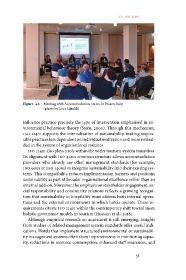
            Figure 4.2  Meeting with Accommodation smes in Pesaro, Italy
                      (photo by Luca Giraldi)


            influence practice-precisely the type of intervention emphasised in en-
            vironmental behaviour theory (Stern, 2000). Through this mechanism,
            iso 21401 supports the internalisation of sustainability, making respon-
            sible practices less dependent on individual motivation and more embed-
            ded in the system of organisational routines.
              iso 21401 also plays a role within the wider tourism-system transition.
            Its alignment with iso 41201 common structure allows accommodation
            providers who already use other management standards (for example,
            iso 9001 or iso 14001) to integrate sustainability into their existing sys-
            tems. This compatibility reduces implementation barriers and positions
            sustainability as part of broader organisational excellence rather than an
            external add-on. Moreover, the emphasis on stakeholder engagement, so-
            cial responsibility and community relations reflects a growing recogni-
            tion that sustainability in hospitality must address both internal opera-
            tions and the external environments in which hotels operate. These re-
            quirements situate iso 21401 within the contemporary shift toward more
            holistic governance models in tourism (Hussain et al., 2018).
              Although empirical research on 21401:2018 is still emerging, insights
            from studies of related management system standards offer useful indi-
            cations. Hotels that implement structured environmental or sustainabil-
            ity management systems often show improvements in monitoring capac-
            ity, reductions in resource consumption, enhanced staff awareness, and


                                                                  35

