


Page 17 - Sustaining Accommodation SMES
P. 17
1.1 Sustainability Concepts and Landscape
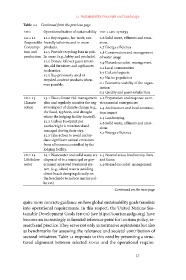
Table 1.1 Continued from the previous page
sdg Operationalisation of sustainability iso synergy
sdg . Buy organic, fair trade, eco- a. Solid waste, effluents and emis-
Responsible friendly toiletries and in room sions
Consump- products. a. Energy efficiency
tion and . Provide recycling bins in pub- a. Conservation and management
production lic areas. (e.g., lobby and poolside). of water usage
. Donate leftover guest ameni- a. Hazardous subst. management
ties, old furniture, and appliances b.Local communities
to charities. b. Cultural aspects
. Buy previously used or
recycled-content products when- b. Native population
ever possible. c. Economic viability of the organ-
isation
c.Quality and guest satisfaction
sdg . Have climate risk management a.Preparation and response to en-
Climate plan and regularly monitor the neg- vironmental emergencies
action ative impact of climate change (e.g., a. Architecture and local construc-
the flood, typhoon, and drought tion impact
where the lodging facility located). a. Landscaping
. Carbon Footprint per
a. Solid waste, effluents and emis-
tourist/night is monitored and
sions
managed during their stay.
a. Energy efficiency
. Take action to avoid and re-
duce significant annual emissions
from all sources controlled by the
lodging facility.
sdg . Wastewater and solid waste are a. Natural areas, biodiversity, flora
Life below disposed of to a municipal or gov- and fauna
water ernment approved treatment sys- a. Hazardous subst. management
tem, (e.g., island resorts avoiding
direct beach dumping directly on
the beachside to reduce marine pol-
lution)
Continued on the next page
quire more concrete guidance on how global sustainability goals translate
into operational requirements. In this respect, the United Nations Sus-
tainable Development Goals (sdgs) (see https://tourism4sdgs.org) have
become an increasingly influential reference point for tourism policy, re-
search and practice. They serve not only as normative aspirations but also
as benchmarks for assessing the relevance and societal contribution of
sectoral initiatives. Table 1.1 responds to this need by presenting a struc-
tured alignment between selected sdgs and the operational require-
17

