


Page 148 - Safe Wrestling
P. 148
Marina Dobnik and Rok Vatovec

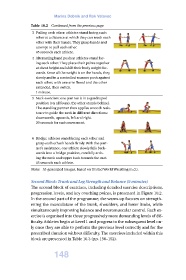
                Table 10.2 Continued from the previous page
                3 Pulling each other: athletes stand facing each
                  other at a distance at which they can reach each
                  other with their hands. They grasp hands and
                  attempt to pull each other.
                  45 seconds each athlete.
                4 Alternating hand pushes: athletes stand fac-
                  ing each other. They place their palms together
                  at chest height and shift their body weight for-
                  wards. Once all the weight is on the hands, they
                  slowly and in a controlled manner push against
                  each other, with one arm flexed and the other
                  extended, then switch.
                  1minute.
                5 Neck exercises: one partner is in a quadruped
                  position (on all fours), the other stands behind.
                  The standing partner then applies smooth resis-
                  tance to guide the neck in different directions:
                  downwards, upwards, left and right.
                  20 seconds for each movement.


                6 Bridge: athletes stand facing each other and
                  grasp each other’s hands firmly. With the part-
                  ner’s assistance, one athlete slowly falls back-
                  wards into a bridge position, carefully arch-
                  ing the neck and upper back towards the mat.
                  45 seconds each athlete.
                Notes AI-generated images, based on United World Wrestling (n.d.).

                Second Block: Trunk and Leg Strength and Balance (9 minutes)
                The second block of exercises, including detailed exercise descriptions,
                progression levels, and key coaching points, is presented in Figure 10.2.
                In the second part of the programme, the warm-up focuses on strength-
                ening the musculature of the trunk, shoulders, and lower limbs, while
                simultaneously improving balance and neuromuscular control. Each ex-
                ercise is organised into three progressively more demanding levels of dif-
                ficulty. Athletes begin at Level 1 and progress to the subsequent level on-
                ly once they are able to perform the previous level correctly and for the
                prescribed duration without difficulty. The exercises included within this
                block are presented in Table 10.3 (pp. 150–152).


                           148

