


Page 45 - Vseživljenjsko učenje kot temelj trajnostne družbe
P. 45
Developing Alumni Competencies


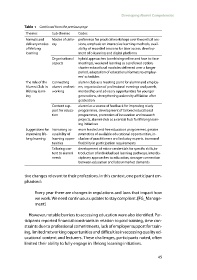
             Table 1 Continued from the previous page
             Themes       Sub-themes  Codes
             Formats and  Modes of deliv- preference for practical workshops over theoretical ses-
             delivery modes  ery      sions, emphasis on interactive learning methods, avail-
             of lifelong              ability of recorded sessions for later access, develop-
             learning                 ment of e-learning and digital platforms
                          Organisational  hybrid approaches (combining online and face-to-face
                          aspects     meetings), weekend learning as a preferred option,
                                      shorter educational modules delivered over a longer
                                      period, adaptation of educational formats to employ-
                                      ees’ schedules
             Theroleofthe  Connecting  alumni club as a meeting point for alumni and employ-
             Alumni Club in  alumni and net- ers, organisation of professional evenings and panels,
             lifelong learn-  working  mentorship and advisory opportunities for younger
             ing                      generations, strengthening university affiliation after
                                      graduation
                          Content sup-  alumni as a source of feedback for improving study
                          port for educa-  programmes, development of tailored educational
                          tion        programmes, promotion of innovation and research
                                      projects, alumni club as a central hub for lifelong learn-
                                      ing initiatives
             Suggestions for Increasing ac-  more funded and free education programmes, greater
             improving life-  cessibility of  promotion of available educational opportunities, in-
             long learning  learning oppor- clusion of practitioners and industry experts, increased
                          tunities    flexibility in participation requirements
                          Tailoring con-  development of micro-credentials for specific skills, in-
                          tent to alumni  troduction of individualised learning pathways, interdis-
                          needs       ciplinary approaches to education, stronger connection
                                      between education and labour market demands


             tivechangesrelevant to theirprofessions.In thiscontext,oneparticipant em-
             phasised:

                  Every year there are changes in regulations and laws that impact how
                  wework.Weneedcontinuousupdatesto staycompliant.[FG_Manage-
                  ment]

               However, notable barriers to accessing education were also identified. Par-
             ticipants reported financial constraints in relation to paid training, time con-
             straints due to professional commitments, lack of employer support for train-
             ing, limited networking opportunities and difficulties in accessing quality ed-
             ucational content and lecturers. These challenges, participants noted, often
             limited their ability to fully engage in lifelong learning initiatives.


                                                                             45

